
Post-Renovation Cleaning Checklist for Your Home
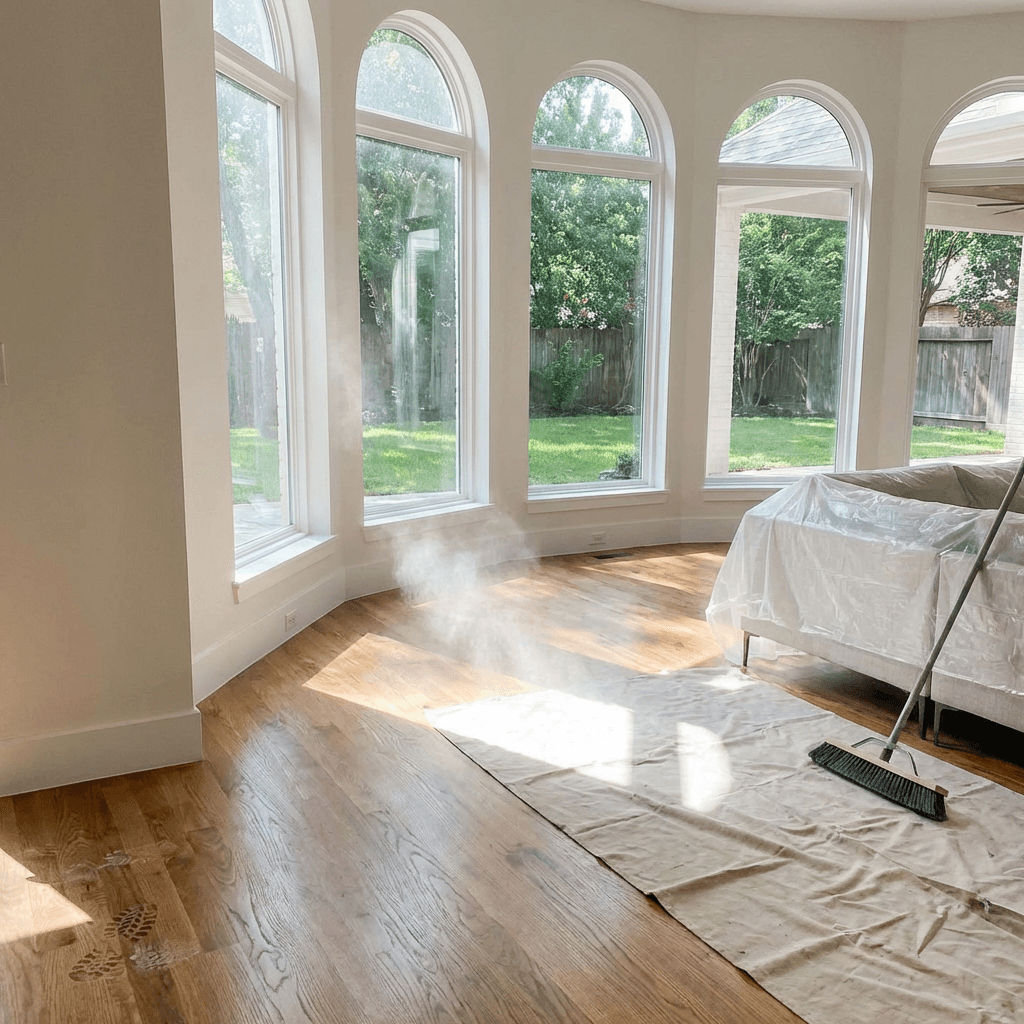
Post-renovation cleaning is one of the most demanding cleaning jobs a homeowner will face. Construction dust — which can contain drywall particles, wood shavings, paint residue, and silica — infiltrates every surface, cabinet, and air vent. The EPA warns that fine construction particulates can remain airborne for hours and pose respiratory risks without proper cleanup. Here is your complete checklist for getting your home back to livable condition after a remodel.
Why Post-Renovation Cleaning Is Different
Standard household cleaning products and methods are not designed for construction debris. Renovation dust is finer than regular household dust (particles as small as 0.1 microns), which means it settles into HVAC systems, embeds in carpet fibers, and coats the inside of closed cabinets. Some materials like drywall dust and silica particles pose respiratory risks, making proper cleaning critical for your family’s health.
Safety First: Before You Start
- Wear an N95 mask — construction dust particles are small enough to penetrate standard masks
- Use safety goggles to protect your eyes from airborne particles
- Wear rubber gloves to protect hands from chemical residue and sharp debris
- Open windows for ventilation before disturbing settled dust
- Keep children and pets away from the area until cleaning is complete
Phase 1: Remove Construction Debris
Before any actual cleaning begins, clear out the big stuff:
- Remove all leftover construction materials — lumber, tile scraps, packaging
- Sweep or shop-vac large debris from floors
- Remove any protective plastic sheeting and drop cloths carefully, folding inward to trap dust
- Dispose of all construction waste properly (check the City of Houston’s bulk waste pickup schedule)
Phase 2: Top-Down Dust Removal
Work from the highest point in each room downward — the same top-to-bottom method professional cleaners use for routine cleaning:
- Ceilings and ceiling fans: wipe with damp microfiber cloths
- Walls: vacuum with a brush attachment, then wipe with a damp cloth
- Light fixtures and recessed lighting: remove covers if possible and wash separately
- Windows and window tracks: vacuum tracks first, then scrub with soapy water
- Doors and door frames: wipe all surfaces including the top edge
- Cabinets and closets: open everything and vacuum or wipe the interior — construction dust gets inside even closed cabinets
Phase 3: Deep Clean Every Surface
Floors
Floors take the worst beating during renovations. The approach depends on your floor type:
- Hardwood: vacuum thoroughly with no beater bar, then damp mop with a pH-neutral cleaner. Avoid excessive water.
- Tile: vacuum, then scrub with warm water and a mild detergent. Clean grout lines separately.
- Carpet: vacuum multiple times in different directions, then schedule a professional steam cleaning. Construction dust in carpet requires more than surface vacuuming.
Kitchen Specifics
- Wipe the inside of all cabinets and drawers before putting anything back
- Run the dishwasher empty with vinegar to flush dust from the system
- Clean inside the refrigerator if it was present during renovation
- Wipe down all appliances inside and out
Bathroom Specifics
- Scrub all new fixtures to remove manufacturing residue and construction dust
- Run all faucets and flush toilets several times to clear debris from pipes
- Clean new tile grout with a pH-neutral cleaner — avoid harsh chemicals on fresh grout
Phase 4: HVAC and Air Quality
This step is essential and often overlooked during post-renovation cleaning. Construction dust in your HVAC system will recirculate throughout your home for weeks if not addressed. The American Society of Heating, Refrigerating and Air-Conditioning Engineers (ASHRAE) recommends replacing filters immediately after any construction activity.
Ready for a Spotless Home?
Use code SPECIAL20 for $20 off your first clean.
- Replace all HVAC filters immediately — they are likely clogged with construction dust
- Vacuum all visible air vents and return registers
- Consider professional air duct cleaning for major renovations
- Run air purifiers with HEPA filters for several days after cleaning
Frequently Asked Questions
How long does post-renovation cleaning take?
A professional crew can typically complete a post-renovation clean in 4 to 8 hours depending on project scope. A DIY effort often stretches across an entire weekend with less thorough results, requiring multiple passes to fully remove fine construction dust.
Can I stay in my home during post-renovation cleaning?
It is best to stay out of the area being cleaned. Fine dust particles become airborne during cleaning and require an N95 mask for safe exposure. Children, elderly family members, and anyone with asthma should avoid the home until cleaning is complete and air quality has settled.
How much does post-renovation cleaning cost in Houston?
Post-renovation cleaning in Houston typically costs $300 to $800+ depending on the scope of the renovation and size of the home. The investment is worthwhile — lingering construction dust can damage HVAC systems and affect respiratory health for weeks.
When to Hire a Professional
Post-renovation cleaning is one situation where professional help pays for itself. Construction dust requires multiple cleaning passes, specialized vacuums with HEPA filtration, and the experience to know where hidden dust accumulates.
River Oaks Cleaning Company offers dedicated post-renovation cleaning services for Houston homeowners throughout River Oaks, Memorial, West University, and surrounding neighborhoods. Our crews arrive with commercial HEPA vacuums and detailed checklists to address every surface — visible and hidden. Book your post-renovation cleaning and enjoy your newly remodeled space without weeks of lingering dust.
Want a Spotless Home Without the Work?
Book your first cleaning online and save $20 with code SPECIAL20.
Book Now — $20 Off